
When the Problem Isn't the Sport — It's the Leadership | Victory Performance
Awareness: Productive vs Counterproductive Leadership
Common Counterproductive Coaching Behaviors
What Productive Coaching Actually Looks Like
Prescription: What Athletes and Parents Can Do
1. Let the Athlete Speak First (early high school)
2. Parents Engage After — Not Instead
The Problem
Many athletes don’t quit sports because they stop loving the game.They quit because they feel small, unsafe, unheard, or confused under a coach whose leadership style creates fear instead of growth.
Parents often see it first and athletes feel it first. But both hesitate to speak up.
Why? Because the coach holds control over playing time, rankings, influence of scholarship, reputation, and access. The fear of rocking the boat leads to silence. Silence leads to stress. Stress turns into resentment, anxiety, burnout, or devaluation of the sport. This is not just a sports issue. It’s a leadership issue in other venues as well.
Awareness: Productive vs Counterproductive Leadership
In the U.S. Army leadership isn’t judged only by results, it’s judged by how those results are achieved. Army doctrine defines counterproductive leadership as behavior that detracts from team effectiveness, mission accomplishment, and the long-term development of people.
Common Counterproductive Coaching Behaviors
You’ll recognize these quickly:
Leading through fear, intimidation, or humiliation
Publicly shaming athletes for mistakes
Favoritism without transparency
Emotional volatility or unpredictability
Dismissing questions as “weakness” or “attitude”
Controlling rather than developing
Winning at the expense of athlete well-being
Treating athletes as disposable outputs, not people
These behaviors might produce short-term compliance, but they damage trust, confidence, and long-term performance.
The Army is clear on this point: Leaders who rely on fear may get temporary obedience, but they lose trust, respect, and commitment. Sound familiar?
What Productive Coaching Actually Looks Like
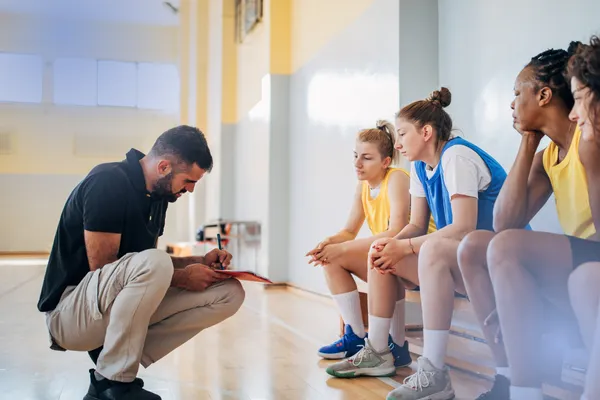
Productive leaders inspire, connect, and develop people. They don’t lower standards, they create accountability within a team that is unified around a goal, and they raise people up to improve. A great current example is Mike Macdonald, head coach of the Seattle Seahawks.
Macdonald is known for:
Teaching why, not just demanding execution
Clear standards paired with psychological safety
Accountability without personal attack
Human connection, care, and team building
Developing players, not robots
Other elite coaches across sports share these traits:
They coach behavior and abilities to improve
They correct privately, praise publicly
They invite feedback instead of punishing questions
They see mistakes as information, not insubordination
Productive coaches understand that people perform best when they feel respected, valued, trusted, and challenged to grow and improve, not threatened. The best coaches know they are helping individuals become the very best they can be and making a difference in people’s lives.
Prescription: What Athletes and Parents Can Do
This is where clarity matters.
1. Let the Athlete Speak First (early high school)
This is critical. Growth happens when athletes learn to:
Express concerns respectfully
Ask for feedback to improve
Advocate for their growth and development
A simple framework for the athlete:
“Coach, I want to improve.”
“Here’s what I’m experiencing.”
“What do you see, and what can I work on?”
This builds maturity, confidence, and ownership.
2. Parents Engage After — Not Instead
If the athlete’s conversation doesn’t bring clarity or change in a counterproductive situation, parents can step in to seek understanding and share feedback with the coach, not attack.
Productive parent language:
“We want feedback on development.”
“What do you see as areas for growth?”
“How can we support this process?”
“Here is where I have a concern regarding my child.”
If a coach becomes defensive, dismissive, or hostile — that response itself is vital information.
3. Assess Patterns, Not One Bad Day
Every coach has rough moments or bad days. Counterproductive leadership shows up as a pattern, not an exception. Two to three events or instances typically demonstrate a pattern.
Ask:
Is this behavior consistent?
Is the athlete shrinking or growing?
Is fear driving performance?
4. Be Willing to Walk Away
This is hard and sometimes necessary. Changing teams or coaches is not quitting when the environment is damaging or unhealthy or unable to be corrected. It’s choosing long-term development over short-term comfort. Some lessons are learned by enduring, and others are learned by leaving. Wisdom is knowing the difference.
Final Outcome: The Standard That Matters Most
Sport is temporary. The soul is eternal. Human development matters most. Wins fade quickly. Rankings are ever changing. Roles come to an end. But who an athlete becomes and how they handle pressure, authority, adversity, and self-worth lasts a lifetime. When sports begins to threaten individual health and well-being, personal values, or important relationships, it is worth stepping back to consider what is truly important and why. The WHO is more important than the DO.


Instagram
X
Youtube