
Athlete Burnout: The Complete Guide for Parents and Young Athletes
Athlete Burnout: The Complete Guide for Parents and Young Athletes
Why Athlete Burnout Is More Common Than You Think—And What You Can Do About It
And Why Is Athlete Burnout Different From Just Being Tired
Stage 1: Overtraining and Over-Commitment
Stage 2: Emotional and Physical Fatigue
The Hidden Root Causes of Burnout in Young Athletes
Mental & Emotion Triggers for Burnout
1. Perfectionism and Fear of Failure
2. Loss of Autonomy and Control
3. Social Pressure and Comparison
4. Lack of Balance and Identity Outside Sport
5. Unclear or Misaligned Goals
How to Recognize Burnout Before It’s Too Late: 7 Warning Signs
1. Persistent Fatigue That Rest Doesn’t Fix
2. Dread Instead of Excitement
3. Increased Injuries or Recurring Pain
4. Perfectionism That Turns Into Self-Criticism
7. Loss of Confidence and Self-Doubt
The Direct Link Between Burnout, Mental Health, and Performance
What Recovery From Burnout Actually Looks Like
5 Practical Steps to Supporting Athlete Burnout
Step 1: Have a Real Conversation
Step 2: Reduce Pressure (Even If You’re Not Meaning to Add It)
Step 3: Build in Real Recovery
Step 4: Seek Mental Performance Support
Step 5: Reframe What Success Means
The Long-Term Impact of Athlete Burnout
Why Mental Health in Youth Sports Matters
Why Athlete Burnout Is More Common Than You Think—And What You Can Do About It
Your young athlete loves their sport. At least, they used to.
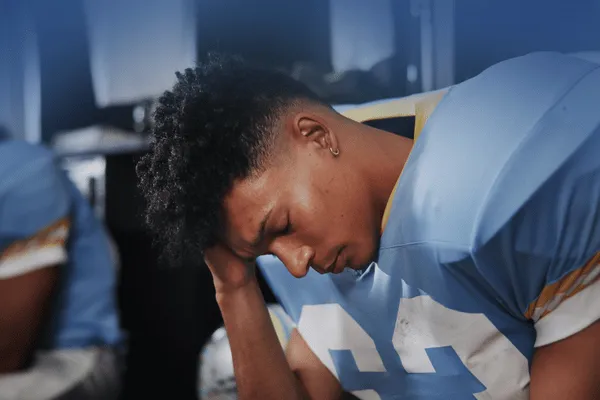
But somewhere between the season tournaments, the training sessions, the pressure to perform, and the constant comparison to teammates, something shifted. They’re exhausted—not just physically, but mentally. They dread practice. They’re constantly anxious about making mistakes. And when they’re home, they’re withdrawn and irritable.
If this sounds familiar, your athlete might be experiencing burnout.
Here’s what we know: Your athlete isn’t alone. As mental performance coaches and former athletes, we’ve worked with dozens of young competitors facing the same struggle—and helped them build the mental skills needed to recover and thrive through our coaching services.
Athlete burnout isn’t just about being tired. It’s a real mental and physical state that develops when the stress of competitive sports exceeds an athlete’s ability to cope. And it’s more common than most parents realize.
According to research in the Journal of Applied Sport Psychology, student-athletes who experience burnout show 38% lower rates of mental resilience and face significantly higher injury risk. Yet many parents and coaches don’t recognize the warning signs until it’s too late.
The good news? Burnout is preventable—and recoverable—when you know what to look for and how to intervene.
Learn more about athlete burnout in our free guide.
Download Strong Minds, Strong Bodies, now.

What Is Athlete Burnout?
And Why Is Athlete Burnout Different From Just Being Tired
Burnout isn’t the same as fatigue. A tired athlete usually needs rest and bounces back. A burned-out athlete is experiencing something deeper: a combination of emotional exhaustion, cynicism about their sport, and a diminished sense of athletic accomplishment.
Stages of Burnout
Burnout typically develops in three stages:
Stage 1: Overtraining and Over-Commitment
Your athlete is training hard, competing frequently, and pushing themselves constantly. Initially, this feels productive. They’re improving, they’re dedicated, they’re driven. But there’s no margin for recovery—mentally or physically.
Stage 2: Emotional and Physical Fatigue
The constant push without adequate recovery starts to wear on them. They experience:
Physical exhaustion that rest doesn’t fully resolve
- Sleep disturbances (sleeping too much or too little)
- Increased irritability and mood swings
- Loss of motivation or “just going through the motions”
- Muscle tension and recurring minor injuries
Stage 3: Mental Disengagement
This is where burnout becomes dangerous. Your athlete starts to:
Question why they’re even playing
Feel cynical about their coaches, teammates, or the sport itself
Lose confidence in their abilities
Experience anxiety or depression related to competition
Consider quitting entirely
The critical insight: Burnout rarely appears suddenly. It’s a progression. And that means parents who catch the early warning signs can intervene before it becomes severe.
The Hidden Root Causes of Burnout in Young Athletes
Most conversations about athlete burnout focus on overtraining. But that’s only part of the picture.
Yes, excessive training volume and competition frequency contribute to burnout. But research shows that mental and emotional factors often trigger burnout faster than physical ones.
Mental & Emotion Triggers for Burnout

1. Perfectionism and Fear of Failure
Many high-performing athletes are perfectionists. They hold themselves to impossibly high standards. One mistake in practice spirals into self-criticism. One loss becomes evidence of inadequacy.
Over time, this constant pressure to be perfect creates a mental trap: they’re not playing to win anymore—they’re playing not to lose. And that’s exhausting.
2. Loss of Autonomy and Control
When parents or coaches make all the decisions about training, competition, and goals, young athletes lose a sense of ownership over their sport. They’re just following instructions, not driving their own journey.
This loss of control—especially combined with high parental or coach pressure—is a major burnout trigger.
3. Social Pressure and Comparison
Modern youth sports include constant comparison: Who’s getting more playing time? Who’s getting recruited? Whose parent is pushing the hardest?
Social media amplifies this by creating an endless highlight reel of other athletes’ achievements.
For sensitive or socially aware athletes, this comparison becomes a source of chronic stress.
4. Lack of Balance and Identity Outside Sport
When an athlete’s entire identity is wrapped up in their sport, setbacks feel catastrophic. A bad season means they’re a bad person. An injury means they’re worthless.
Athletes who have friends outside their team, interests beyond their sport, and family connections that don’t revolve around athletics are significantly more resilient.
5. Unclear or Misaligned Goals
Sometimes parents and coaches set aggressive goals without input from the athlete. A young volleyball player might be pushed toward college recruitment when she just wants to play with friends. A swimmer might be training for times that don’t actually matter to him.
When athletes aren’t driving their own goals—or don’t understand why they’re pushing so hard—motivation collapses.
Symptoms of Athlete Burnout
How to Recognize Burnout Before It’s Too Late: 7 Warning Signs
Parents often miss burnout because they mistake it for normal teenage moodiness or laziness. But there are specific patterns to watch for:
1. Persistent Fatigue That Rest Doesn’t Fix
They sleep 10 hours and wake up exhausted. They have energy for video games or social media but not for practice.
2. Dread Instead of Excitement
They used to talk about their sport constantly. Now they dread practice, avoid mentioning competition, or make excuses to skip sessions.
3. Increased Injuries or Recurring Pain
Burnout lowers immune function and increases injury risk. A burned-out athlete might experience frequent muscle strains, tendinitis, or mysterious aches that medical professionals can’t fully explain.
4. Perfectionism That Turns Into Self-Criticism
One mistake becomes a referendum on their worth as an athlete. They ruminate about small errors for hours or days.
5. Social Withdrawal
They isolate from teammates, spend less time with non-athletic friends, or seem emotionally disconnected from activities they used to enjoy.
6. Sleep and Appetite Changes
Either sleeping significantly more or having insomnia; eating less or stress-eating.
7. Loss of Confidence and Self-Doubt
Even when performing well, they express doubt: “I got lucky.” “That doesn’t mean anything.” “I’m not good enough.”
Parent Note: If you’re seeing three or more of these signs, it’s time to have a deeper conversation with your athlete—not a lecture, but a genuine check-in about how they’re really feeling.
The Direct Link Between Burnout, Mental Health, and Performance

Here’s what many parents don’t realize: the mental factors behind burnout are the same factors that destroy athletic performance.
An athlete experiencing burnout is also experiencing:
Impaired focus: Their attention splits between anxiety and the task at hand
Decision-making breakdown: Under pressure, they second-guess themselves
Loss of composure: Minor setbacks trigger emotional spirals
Reduced confidence: They’re playing defensively instead of aggressively
In other words, burnout doesn’t just make athletes miserable—it makes them perform worse. The very pressure that creates burnout simultaneously destroys the mental skills needed to perform under pressure.
This is why traditional coaching—more reps, better technique, harder training—can actually make burnout worse. You can’t think your way out of a tired mind.
What Recovery From Burnout Actually Looks Like
Recovery from burnout isn’t as simple as taking a break. In fact, many burned-out athletes need complete time away from their sport to reset mentally.
But here’s the research finding that changes everything: Athletes who work with mental performance coaches report 38% lower rates of burnout relapse and develop lasting resilience skills that prevent future burnout.
Real recovery involves:
Mental Skills Training
Rebuilding Autonomy
Restoring Balance
Addressing Root Causes
Physical Recovery
1. Mental Skill Training
Learning how to manage perfectionism, reframe failure as feedback, and build genuine confidence (not fake positivity). These are skills that transfer to life beyond sports.
2. Rebuilding Autonomy
Helping the athlete make real decisions about their training, goals, and competition schedule. Coaches and parents shift from directing to supporting.
3. Restoring Balance
Intentionally building a life outside of sport. This isn’t “distracting” from training—it’s building resilience.
4. Addressing Root Causes
Whether it’s perfectionism, parental pressure, or unclear goals, recovery requires identifying and working on the underlying mental pattern.
5. Physical Recovery
Complete rest from the sport (typically 2-4 weeks) followed by gradual, enjoyable re-engagement. This isn’t punishment—it’s restoration.
What Parents Can Do Right Now
5 Practical Steps to Supporting Athlete Burnout
If you suspect your athlete is experiencing burnout, here’s your action plan:
Step 1: Have a Real Conversation
Not: “You’re lazy. You need to work harder.”
Instead: “I’ve noticed you seem more stressed and less excited about [sport]. What’s really going on?”
Listen more than you talk. Your job is understanding, not fixing.
Step 2: Reduce Pressure (Even If You’re Not Meaning to Add It)
Your enthusiasm for their success can feel like pressure to them. Pull back on:
Asking about competition results immediately after games
Discussing college recruitment or “the future” during season
Comparing them to teammates or siblings
Pushing for higher goals without their input
Step 3: Build in Real Recovery
This means:
No back-to-back competitions without breaks
At least one full day per week completely free of sports
Sleep prioritization (not negotiable)
Time with non-athletic friends
Step 4: Seek Mental Performance Support
Just like you’d hire a physical trainer for athletic development, mental performance coaching is the professional support for mental resilience and burnout prevention.
A certified mental performance coach can:
Teach your athlete specific skills to manage pressure
Work with you as a parent on supporting without pressuring
Create a recovery plan if burnout is already present
Help rebuild confidence and motivation
Step 5: Reframe What Success Means
The culture of youth sports often defines success as college recruitment, championships, or high rankings. But real success is:
Loving the sport they’re playing
Developing resilience that applies to life
Building confidence grounded in effort (not just results)
Maintaining mental health and wellbeing
The Long-Term Impact of Athlete Burnout
Why Mental Health in Youth Sports Matters
When we address burnout early, we’re not just saving an athletic career—we’re shaping how your athlete approaches challenge, failure, and pressure for the rest of their life.
Athletes who learn to manage mental pressure and build resilience in sports develop skills that transfer to:
Academic performance under stress
Career challenges and setbacks
Relationship conflicts
Life transitions
Conversely, athletes who experience severe burnout without support are at higher risk for anxiety, depression, and long-term avoidance of challenge—even outside of sports.
The stakes are higher than the game.
Your Next Step: A Professional Assessment
If your athlete is showing signs of burnout, the first step is a professional evaluation. A mental performance coach can assess:
Current mental health and stress levels
Underlying factors contributing to burnout (perfectionism, pressure, lack of control, etc.)
Specific mental skills your athlete needs to develop
A customized recovery and resilience plan
Most athletes begin to experience shifts in their mindset, motivation, and confidence within the first week to month of working with a certified mental performance coach.
The earlier you intervene, the faster recovery happens—and the less likely burnout will return.
Final Thoughts: Burnout Is Preventable
Your athlete doesn’t have to choose between loving their sport and performing well. They don’t have to burn out to be committed. And they don’t have to suffer through the mental toll of competitive pressure alone.
With the right support—from parents, coaches, and mental performance professionals—young athletes can build genuine confidence, learn to perform under pressure, and maintain a healthy relationship with their sport.
That’s not just better athletic performance. That’s setting them up for a successful, resilient life.
—
—
Frequently Asked Questions
Q: Is burnout the same as depression?
A: No, but they can co-exist. Burnout is specifically related to chronic stress and overtraining in a specific domain (sports). Depression is broader and may require different treatment. If your athlete shows signs of depression (persistent sadness, loss of interest in everything), professional mental health support is important.
Q: Should my athlete take a break from their sport?
A: In many cases, yes—a complete 2-4 week break can be restorative. But this should be decided in conversation with the athlete, a coach, and ideally a mental performance professional. A break without addressing the underlying mental factors won’t prevent relapse.
Q: Can younger athletes (U12) experience burnout?
A: Yes, though it’s less common than in teens. It’s more likely in young athletes in highly competitive environments, sports with year-round training, or when parental pressure is high.
Q: What if my athlete’s coach doesn’t believe in mental performance coaching?
A: Mental performance training is now standard at the elite and college level (90%+ of pro athletes use it). You don’t need your coach’s permission to support your athlete’s mental health. Many athletes work with mental performance coaches outside of their official team structure.
—
Victory Performance specializes in mental performance coaching services for high school, college, and elite athletes who are physically ready but mentally stuck. Our team includes certified mental performance coaches with military-medical backgrounds and experience working with elite athletes across multiple sports.
We help athletes master over 21 Mental Edge Skills—from managing perfectionism and fear of failure to building unshakable confidence and composure under pressure. Most athletes see measurable improvement within the first week to month.
Ready to help your athlete perform their best? Schedule a free consultation with one of our coaches.


Instagram
X
Youtube